Multilevel Villa Protection in the UAE: Building One Unified Security System
UAE villa security
One villa, three layers, one system
A villa in the UAE is rarely a single locked box. It is a plot, a perimeter, an entry, a ground floor, upper floors, and a set of valuables spread across all of them. Protecting it well means treating the whole property as one connected system rather than a stack of separate gadgets. In this guide we walk through how residents in Emirates Hills, Palm Jumeirah, Al Barsha and similar Dubai and Abu Dhabi neighbourhoods can bring perimeter alarms, reinforced entries, and interior safes together into a unified setup that actually works when it is tested.
Layer 1
Perimeter security in Emirates Hills and Palm Jumeirah
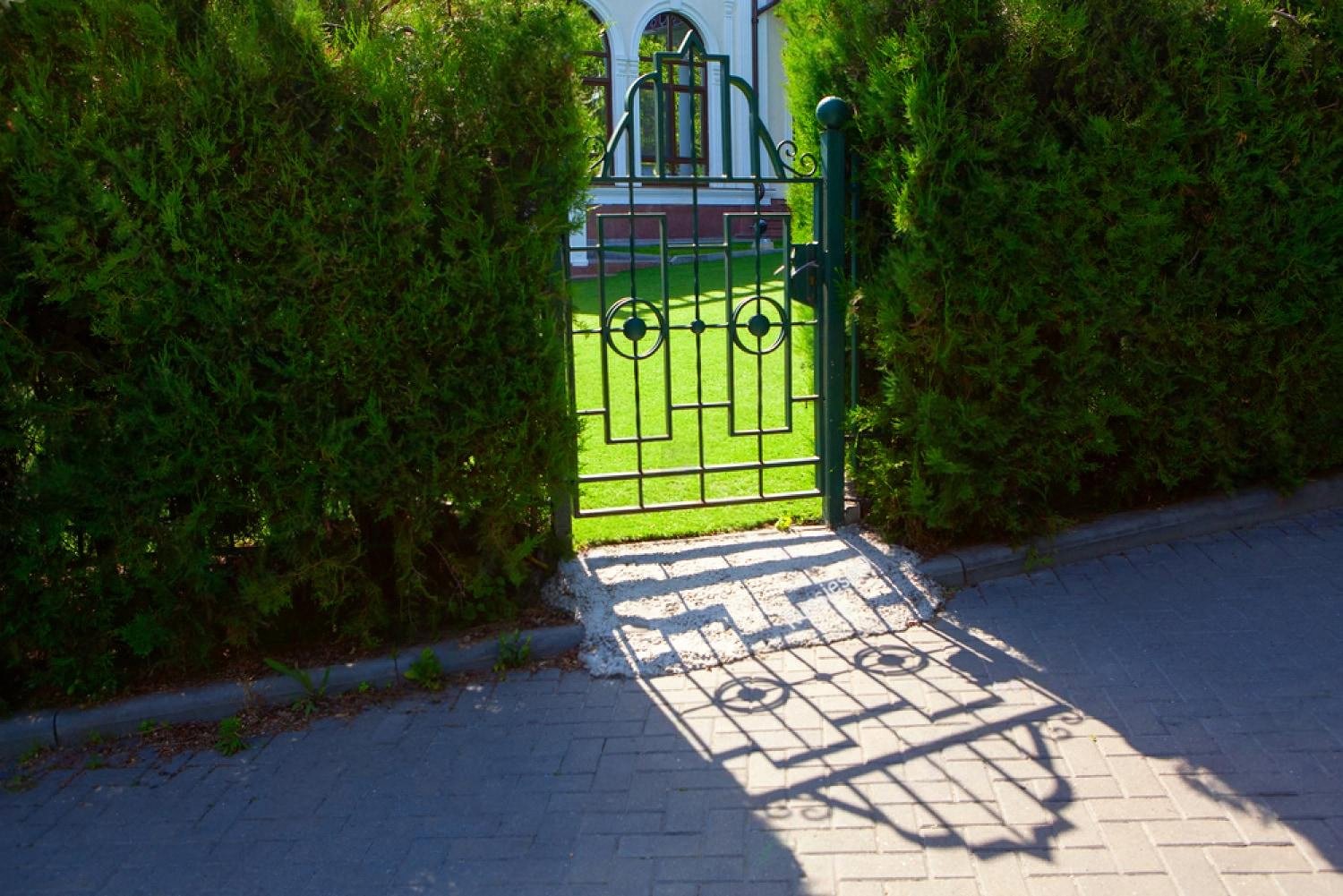
Most villa communities in the UAE already sit behind community gates, but community security is a filter, not a shield. Your own perimeter, the boundary wall, gate, driveway and garden, is where a unified system should begin. In gated enclaves like Emirates Hills or the fronds of Palm Jumeirah, you have generous plot sizes, which means longer sightlines to cover and more approach angles to think about.
The core mix is straightforward: a solid physical boundary, motion-triggered outdoor lighting, external cameras with night vision, and a monitored alarm that ties into a central panel. What makes it a system rather than a shopping list is that every sensor reports back to one hub, and that hub reaches you and a monitoring service at the same time.
What belongs on the outside layer
- Boundary wall and gate. Anti-climb toppings, a solid pedestrian gate, and a vehicle gate with intercom and camera at eye level.
- Perimeter beams or laser fences along the wall line, so intrusion is detected before anyone reaches the house.
- 4K IP cameras at driveway, garden corners and pool area, with 30-day cloud backup so footage survives even if the on-site recorder is stolen.
- Motion lighting tied to the alarm panel, not just to a photocell, so lights and cameras trigger together.
- Zoned outdoor alarm that can be armed at night with the family still inside the villa.
Layer 2
Doors and windows in Al Barsha and Jumeirah villas
Once someone is on the property, the entry points decide how long they stay outside the living space. Older villas in Al Barsha, Jumeirah and Mirdif tend to have large sliding patio doors, floor-to-ceiling windows and multiple external doors, one from the driveway, one from the majlis, one from the kitchen to the service yard. Each of those is a decision point.
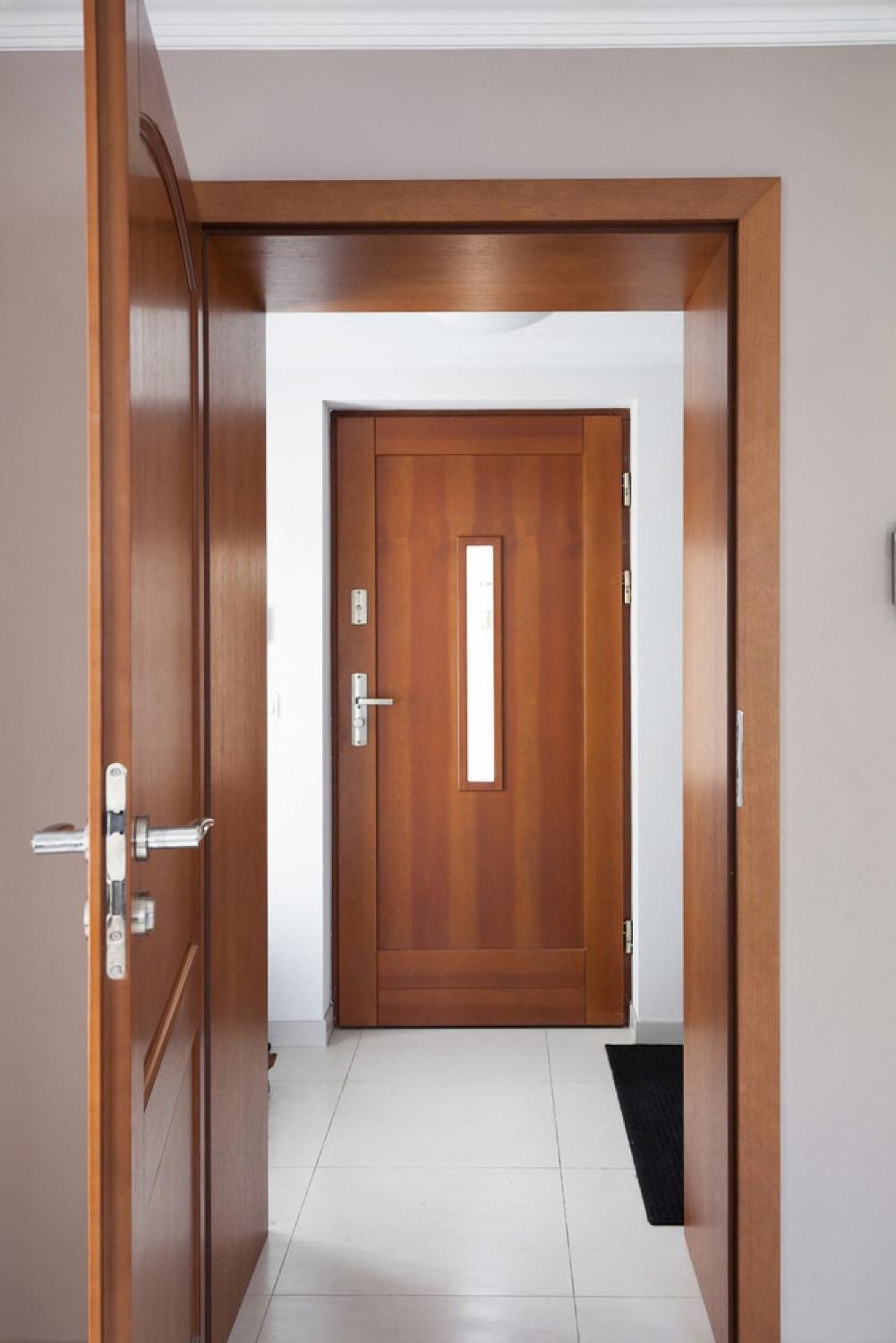
The main entry should be an armoured door with a multi-point locking system, a reinforced frame anchored into the wall, and a hardened cylinder that resists snapping and drilling. According to the general burglary research most forced entries are opportunistic and give up within a few minutes if the door holds. That is the whole point of the upgrade: buy time.
Windows and glass surfaces
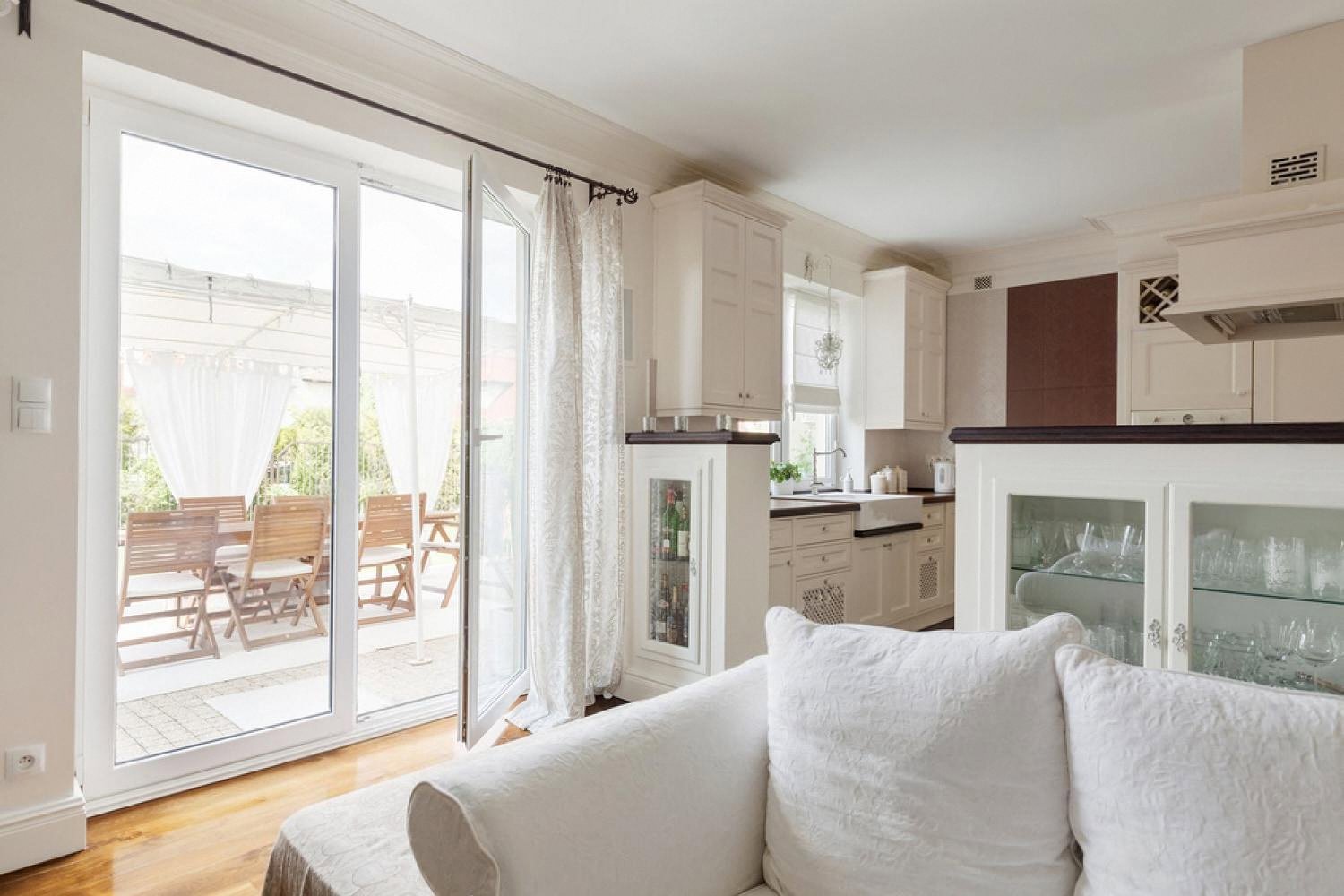
Large glass panels are part of the appeal of a UAE villa, and there is no reason to give them up. What matters is the specification. Laminated safety glass with a security interlayer holds together when struck, which turns a smash-and-grab into a long, loud, visible attempt. Combine it with:
- Magnetic contacts on every opening pane, wired into the same panel as the perimeter beams.
- Glass-break acoustic sensors in rooms with large windows, especially ground-floor living areas.
- Roller shutters or decorative grilles on ground-floor windows and terrace doors, matched to the villa’s architecture so they do not look like a bank branch.
- Smart locks on secondary doors, so the kitchen door and majlis door are logged and armed just like the main entrance.
Layer 3
Interior valuables: safes for Downtown Dubai and Saadiyat homes
The third layer assumes something the first two would rather not: what happens if someone gets past everything. In compact luxury villas around Downtown Dubai, City Walk, or Saadiyat Island in Abu Dhabi, the answer is almost always a safe, and not the hotel-style box that came with the wardrobe. Passports, residency documents, jewellery, watches, spare car keys and cash all belong in a certified safe that is bolted to a structural wall or floor slab.
Codes can be guessed, shoulder-surfed or coerced. A serious safe should use two-factor access: a PIN combined with a fingerprint scanner or facial recognition, so that even if someone learns the code, they cannot open it alone. For sourcing and installation, working with a specialist home safes provider in Dubai is worth more than saving a few dirhams on an unbranded box shipped from abroad, because installation, anchoring and after-sales servicing decide whether the safe actually holds under attack.
Choosing the right safe
- Certification to a recognised standard such as EN 1143-1, matched to the value of what you plan to store.
- Two-factor accessideally biometric plus PIN, with an audit log of every opening.
- Fire rating of at least 60 minutes, important for original documents in a region where summer temperatures are unforgiving.
- Anchoring into concrete floor or a load-bearing wall, hidden inside a wardrobe, dressing room or under a stair.
- Tamper alerts that ping the same alarm panel as the perimeter, so a forced attempt on the safe reaches the monitoring service instantly.
Tying it together
One panel, one app, one response plan
The reason to unify these three layers is response time. When the perimeter beam, the door contact and the safe tamper sensor all talk to the same platform, an event escalates in seconds: lights on, cameras recording, family notified, monitoring station calling the villa, and, if needed, a private response team dispatched. Separate systems from three different installers cannot do that, no matter how good each one is on its own.
A practical local checklist before you buy
- Confirm the installer is licensed by the relevant UAE authority (SIRA in Dubai, Monitoring and Control Centre in Abu Dhabi).
- Ask for a single integration diagram showing perimeter, entry and interior devices on one panel.
- Insist on cellular backup for the alarm, so a cut internet line does not blind the system.
- Test the response plan quarterly, with a walk-through of what happens at 3 a.m. on a weekend.
- Keep a laminated card near the safe with emergency contacts and the monitoring account number.
- Review coverage after any renovation, extension or new pool build, since new openings mean new gaps.
Frequently asked questions
Do I still need my own alarm if my villa is in a gated community?
Yes. Community gates and patrols filter who enters the neighbourhood, but they do not protect the individual plot. Once someone is inside the community, whether as a guest, contractor or delivery driver, only your own perimeter, doors and interior sensors stand between them and your family. A private, monitored system is a separate layer from community security, and the two should complement each other.
Are biometric safes reliable in the UAE climate?
Modern biometric safes from reputable manufacturers are designed to work in a wide temperature range and are usually installed inside air-conditioned rooms, so heat is rarely a real problem. The bigger issues are dust and low battery. Choose a safe with sealed sensors and a mechanical or PIN backup, and replace batteries on a schedule rather than waiting for a warning tone.
How long does a typical multilevel villa installation take?
For a standard four to five bedroom villa, expect three to seven working days for a full installation covering perimeter beams, cameras, door and window contacts, control panel and one or two safes. Larger properties in Emirates Hills or on Palm Jumeirah, or villas that need cabling retrofitted through finished walls, can take two to three weeks. A good installer will provide a written schedule and a commissioning test at the end.
Can I control the whole system from a phone while I travel?
Yes, and this is one of the main reasons to unify the layers. A modern panel gives you a single mobile app with live camera feeds, arm and disarm controls, event history and instant alerts. When you travel from Dubai to London or Riyadh for a week, you can grant temporary access codes to a housekeeper or pool technician and see exactly when they arrived, without handing out physical keys.
What is the most common weak spot in UAE villas?
Secondary entrances and ground-floor windows. Owners often invest heavily in the main door and forget that the kitchen service door, the maid’s room door and large sliding patio doors are just as important. Any door or window that opens to the outside should have a contact sensor, and any large glass panel should be laminated or backed by a roller shutter.
Is it worth linking the safe to the main alarm panel?
Absolutely. A safe that stands alone can be attacked in silence for hours if the intruders have time. When the safe reports tamper events, wrong-code attempts and opening logs to the same monitoring platform as your perimeter, any suspicious activity triggers the same escalation as a broken window, which is exactly what you want.

Biker, self-starter. Performing at the crossroads of beauty and programing to save the world from bad design. Let’s make EVERY day.
A practical guide for UAE villa owners on combining perimeter defence, reinforced entries and interior safes into a single, coordinated security system.